A global movement on identity, representation, and culture in medicine.
What began as a single tweet became a worldwide conversation about who gets to look like a surgeon.

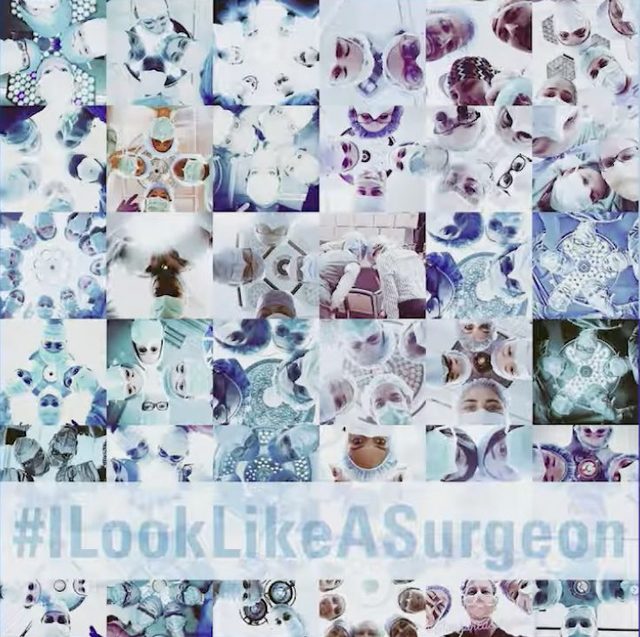
In August 2015, a single tweet asked surgeons to show who they really are. Within two months, nearly 40,000 tweets answered — from surgeons, trainees, patients, and allies across specialties, borders, and identities, many recognizing themselves in a profession too often defined by a narrow image.
Who gets to look like a surgeon? The answer, it turned out, was anyone willing to be seen — and who is visible shapes who believes they belong.
August 2015
first two months
first two months
by 2017
Sources: The BMJ Opinion, Sept 2015 · Associations Now, April 2017 · Logghe et al., BMJ 2017
The story behind the movement
#ILookLikeASurgeon did not happen alone.
OriginAugust 2015
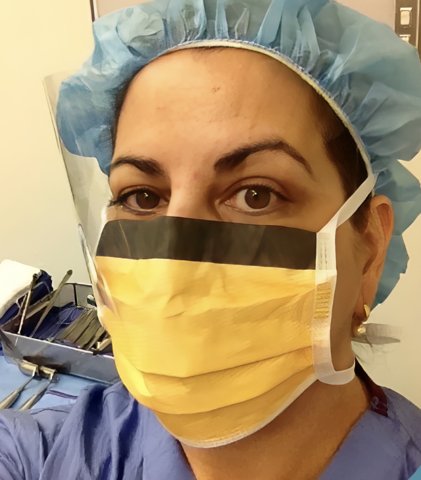
In August 2015, I had just completed a second preliminary year and was returning to social media to network with the goal of securing a categorical position. The movement began with a simple suggestion from my co-resident, Dr. Sara Scarlet — to share a hashtag. She had read about the #ILookLikeAnEngineer movement and suggested I start #ILookLikeASurgeon. Already a blogger, I wrote a post to give the idea shape and meaning. Surgeon and fellow blogger Dr. Kathryn Hughes, who writes Behind the Mask, offered to “boost it” on her social media that same night.
A few brave voices began sharing their photos. There was something unmistakable in the spirit of it — that anyone could “look like a surgeon,” and that the image of who belongs could expand. With that in mind, I added my own.
Early Momentum
Around that time, Dr. Marissa Boeck — then a general surgery resident and a stranger to me — joined Kathryn Hughes and me to form a tightly connected trio.
While some hashtags gain traction through momentum alone, #ILookLikeASurgeon did not. For the first two months, Kathryn, Marissa, and I deliberately retweeted nearly every post. Some days stretched 18 hours. The longest reached 22. We followed the sun around the globe, resting only briefly while it was over Asia, where the conversation went quiet.
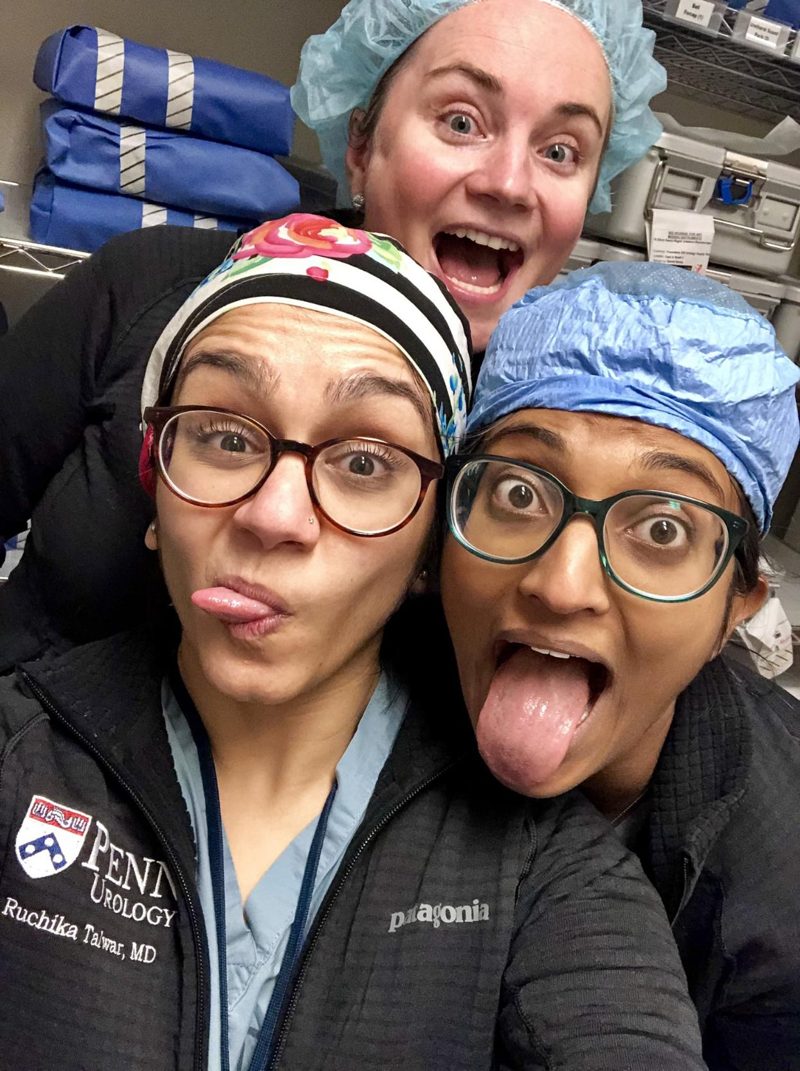

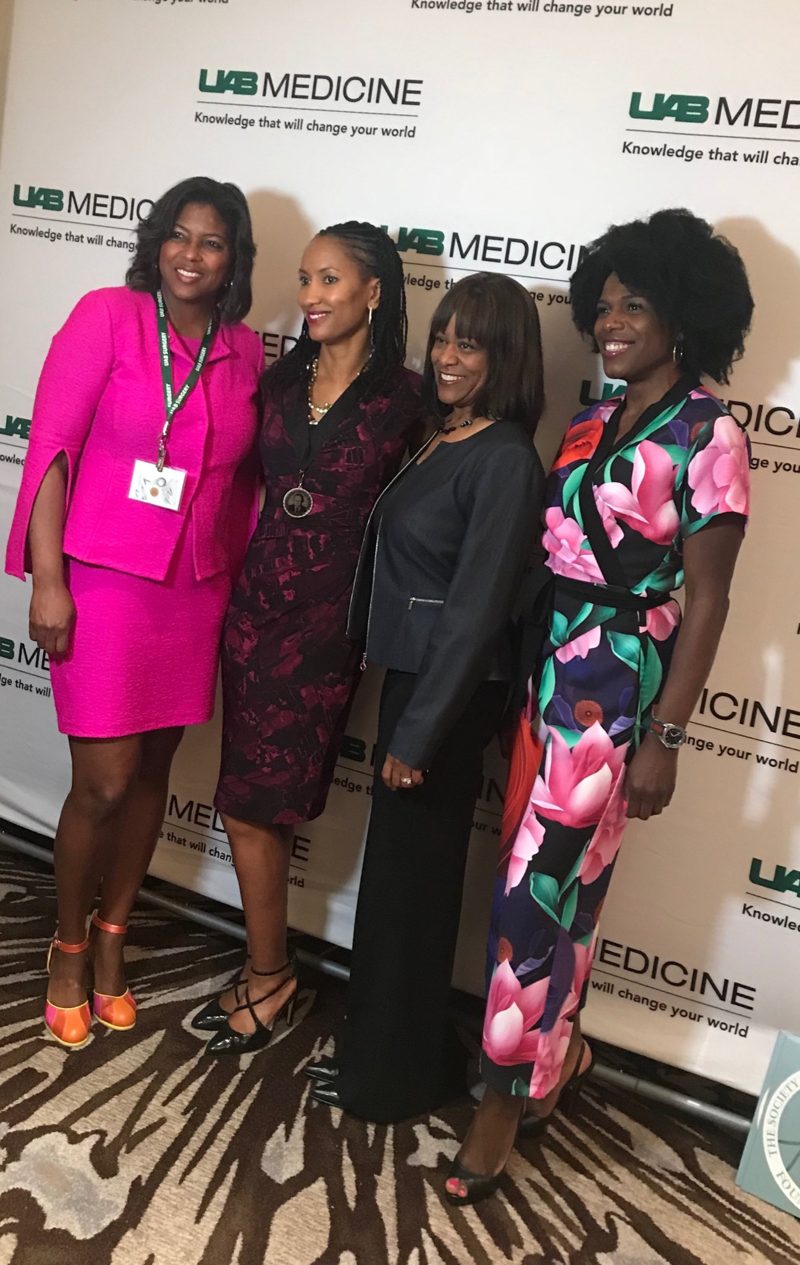
Shared by the community under #ILookLikeASurgeon
Building the MovementFall 2015
Through the fall of 2015, the three of us messaged all day, working out strategy in real time.
To give the movement direction, we began holding impromptu leadership calls with individuals who had organically stepped into leadership as it grew. We also invited blog posts on topics of diversity, patient care, and humanism in surgery — and then amplified them — expanding the movement beyond images into a broader conversation about culture and care.
Together, Kathryn and Marissa brought energy, consistency, and an extraordinary level of commitment that transformed an idea into a movement.
By February 2016, it had reached the podium: Dr. Justin Dimick referenced the movement in his Association for Academic Surgery presidential address, “The Rookie Advantage.”
The Second Wave: #NYerORCoverChallengeApril 2017
On April 3, 2017, The New Yorker published its Health, Medicine & Body issue with Malika Favre’s cover, “Operating Theatre”: four women surgeons, masked, looking down at a patient beneath the round OR lights.
See the original cover in The New Yorker → · More of Malika Favre’s work →
Dr. Susan Pitt, then an endocrine surgeon at the University of Wisconsin, saw it at a conference and gathered three colleagues to recreate it. On April 6, she challenged women surgeons everywhere to do the same, tagging #NYerORCoverChallenge alongside #ILookLikeASurgeon. Early on, she reached out to Marissa, and the two carried the challenge forward together.
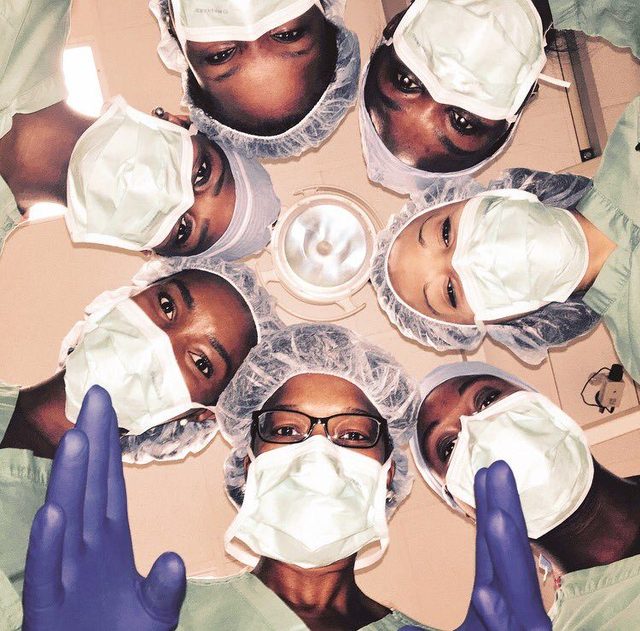
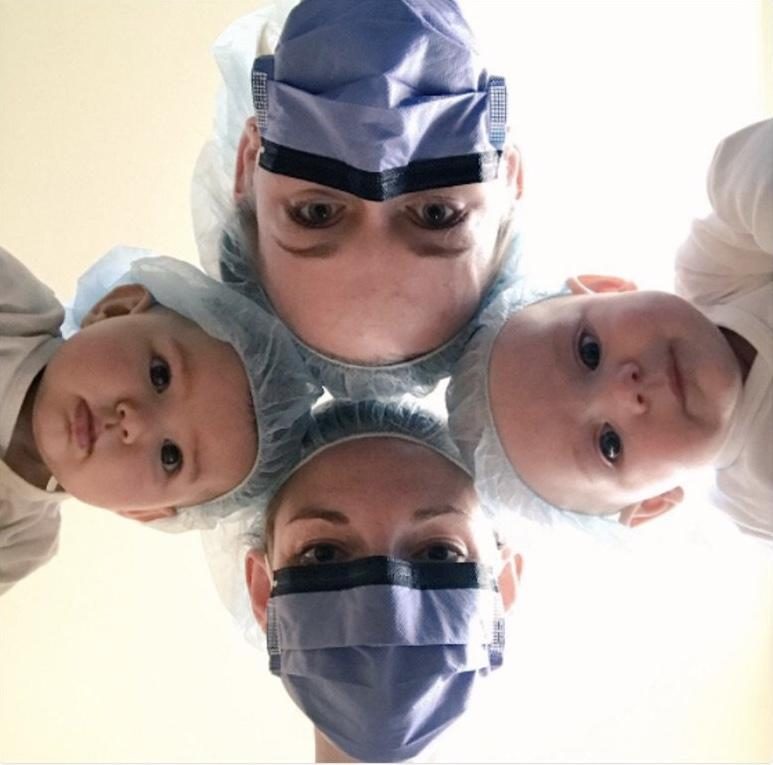
Within days, recreations arrived from across the US, then Saudi Arabia, Mexico, Brazil, Ireland, the UK, Turkey, Kuwait, and Australia — thousands of photos on Twitter and Instagram. Men joined in with #HeForShe. By April 12, The New Yorker itself was sharing the replicas.
The OR lights became the movement’s visual anchor: one image anyone could recreate in their own hospital. Pitt has described the challenge as a single event that reignited a longer campaign.
The same year, the conversation was also happening at the podium. In February 2017, two months before the cover challenge, Dr. Caprice Greenberg gave her Association for Academic Surgery presidential address, “Sticky Floors and Glass Ceilings” — and #ILookLikeASurgeon had its biggest spike since launch week. When the address was published in the Journal of Surgical Research that fall, #NYerORCoverChallenge photos were on the issue’s cover, designed by Susan.
I was mostly on the sidelines for this phase, navigating life with a newborn and residency applications. The energy and execution belonged to Susan and Marissa — which is how this movement has always grown: people stepping forward to carry it when it mattered.
Sources: Women’s Agenda · CBS News · WTKR · Doximity Op-Med
Why It Matters
At its core, this work was never just about representation — it was about expanding the sense of who belongs in surgery, and making that belonging visible to anyone still searching for it.
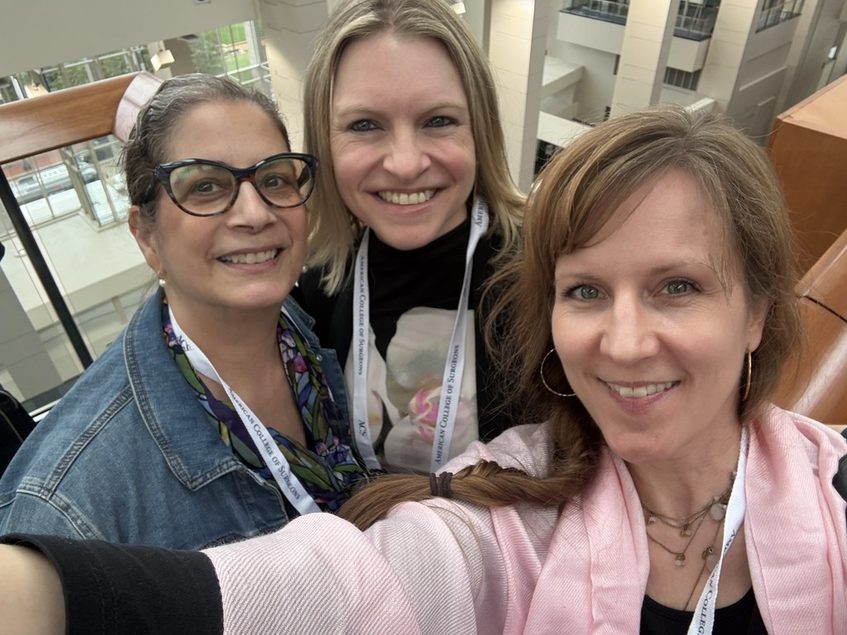
The faces of the movement
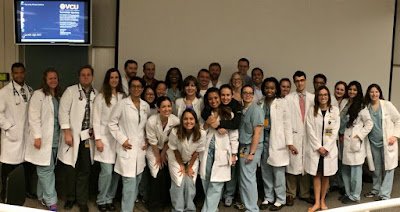
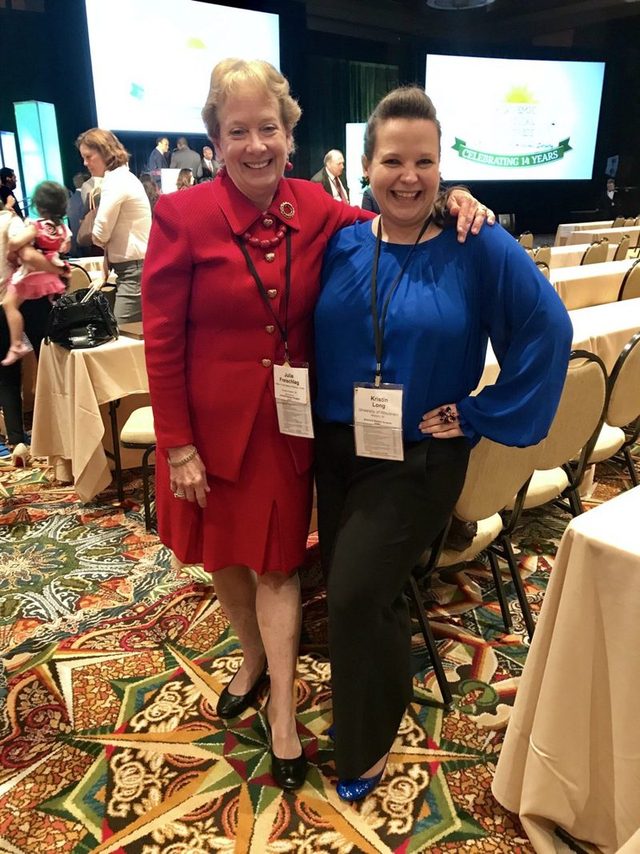
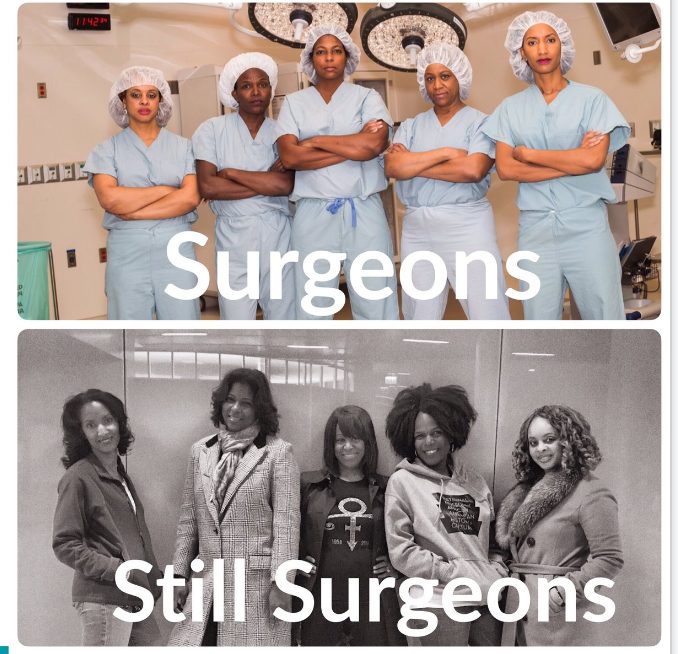
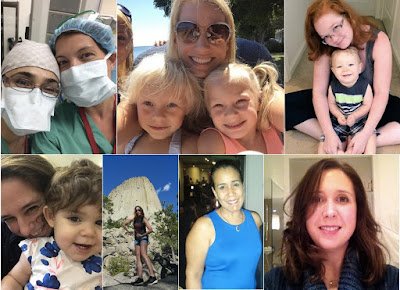
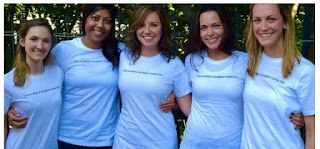
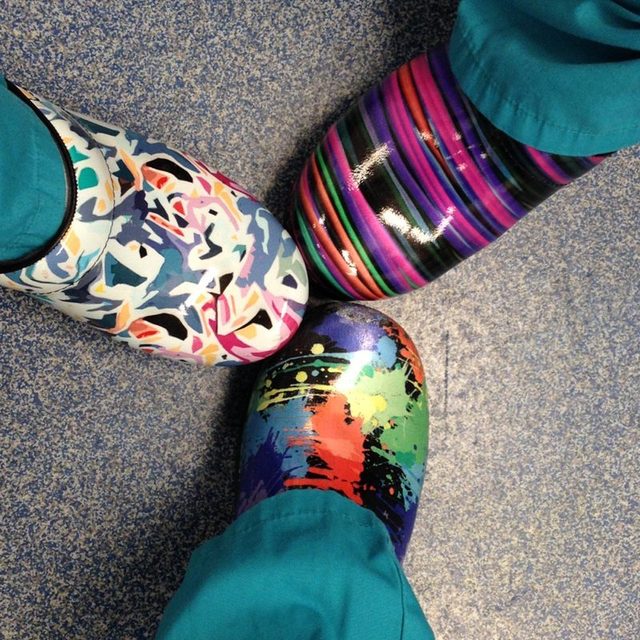
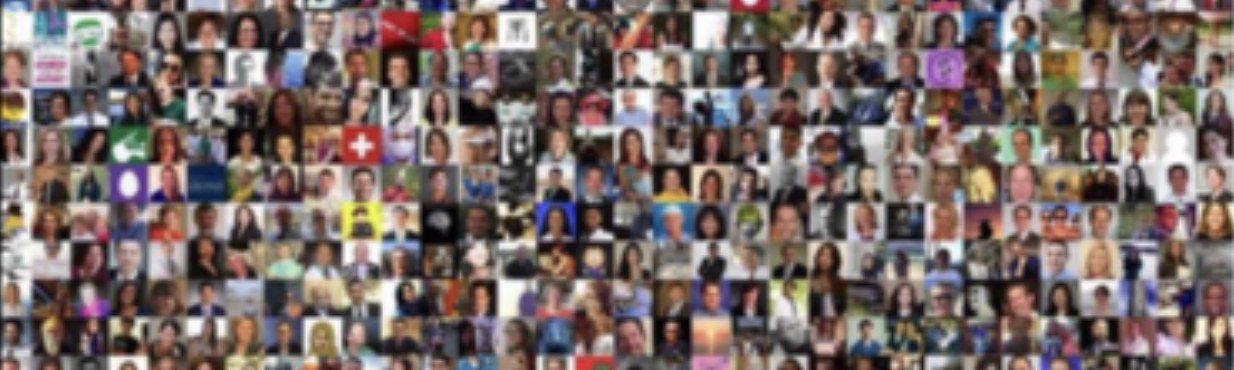
Thousands of surgeons, trainees, and allies posted their own photos — in the OR, at conferences, at home, in their favorite clogs.
Co-Architects of the Movement
The movement grew because others chose to show up for it — night after night, time zone after time zone.

Sara Scarlet, MD, MPH
Critical care surgeon. Ethicist. Advocate for justice-involved patients.
The co-resident whose suggestion started it all. Her work sits at the intersection of trauma, ethics, and public health, with a focus on the ethics of health care for justice-involved individuals.
She trained in general surgery and surgical critical care at UNC Chapel Hill, where she also earned her MPH, and is board certified in general surgery and surgical critical care.
Clinical Assistant Professor, Division of Acute Care Surgery, University of Florida · LinkedIn
Kathryn A. (Kathy) Hughes, MD, FACS
General surgeon. Hospital leader. Voice for physicians online.
The first to offer to amplify the idea — she “boosted it” the same night it was proposed, and for months afterward retweeted nearly every post. Her commitment made the early days possible.
A board-certified general surgeon and Fellow of the American College of Surgeons, she built most of her career in community hospitals, serving as Chief of Surgery and Vice-President of Medical Staff. She writes at BehindTheMaskMD.com and speaks widely on women in surgery and physicians on social media.
Clinical Associate Professor of Surgery, George Washington University · Cedar Hill Regional Medical Center · LinkedIn

Marissa A. Boeck, MD, MPH
Trauma surgeon. Critical care intensivist. Global surgery and injury-prevention researcher.
A stranger who became a co-architect — she rounded out the original trio and worked 18-hour days to sustain the movement’s momentum. When the New Yorker challenge arrived, she was already there to carry it forward.
She is the surgery lead of the WHO Collaborating Centre for Emergency, Critical, and Operative Care, and her research spans global surgery, gun violence, and trauma systems in low-resource settings. She spent a year in Bolivia building a hospital-based trauma registry, earned her MD at Weill Cornell and MPH at Johns Hopkins, trained at NewYork-Presbyterian/Columbia, and completed trauma and critical care fellowships at UCSF.
Associate Professor of Surgery, UCSF · Zuckerberg San Francisco General · Associate Director, Center for Health Equity in Surgery and Anesthesia · LinkedIn
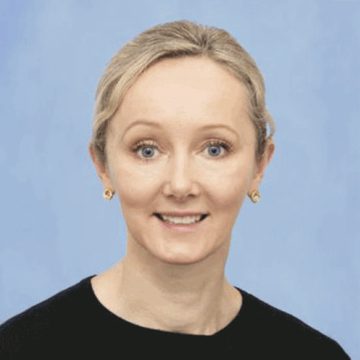
Susan Pitt, MD, MPHS
Endocrine surgeon. Researcher of overtreatment. Mentor.
The creative force behind the #NYerORCoverChallenge — she saw the New Yorker cover, recognized its potential, and launched a second wave in April 2017 that gave the movement its most iconic visual symbol.
Her research asks why low-risk cancers are so often treated too aggressively — especially how fear and anxiety drive overtreatment of low-risk thyroid cancer, and what stands in the way of options like active surveillance. She received the American Medical Women’s Association Exceptional Mentor Award in 2018.
Associate Professor of Surgery, Michigan Medicine · Director, Endocrine Surgery Health Services Research Program · LinkedIn

Blogs That Shaped the Movement
The blog posts were not an afterthought — they were the movement’s voice. From the first tweet to patient perspectives, allyship, queerness in surgery, and wellness, these pieces gave the conversation depth and staying power.
- #ILookLikeASurgeon Tweet it. Own it.
- What does #ILookLikeASurgeon really say about surgeons around the world? A Call to Action
- Humanizing the Profession: Patient perceptions of #ILookLikeASurgeon
- #ILookLikeASurgeon: We can do it!!!
- #ILookLikeASurgeon: An Ally’s Perspective
- I Look Like a Surgeon, and #ILookLikeASurgeon
- #ILookLikeASurgeon 101: How to Be an Advocate for Surgical Workforce Diversity
- Why I had to invent #iLookLikeAnEngineer to challenge tech stereotypes
- Why #ILookLikeASurgeon is Necessary for Innovation in Healthcare
- #ILookLikeASurgeon: Being Queer in Surgery
- #ILookLikeASurgeon: Getting Started on Twitter? Do This One Thing First
- #ILookLikeASurgeon, Not an Imposter
- #ILookLikeASurgeon: Creating an “Upward Spiral of Happiness”
- #ILookLikeASurgeon: The Journey to the First Tweet
- #ILookLikeASurgeon: My Grandmother’s Silent Lessons on Life and Wellness
Some of these posts were written at different points in a fast-moving conversation — if you find a broken link, or would like any updates to your linked social media, I’d love to know.
In the Literature
The movement became a subject of study. These journal articles were written by its co-architects, analyze its posts, describe the campaigns it inspired, or discuss it within broader work on surgery and representation.
From the movement’s co-architects
- #ILookLikeASurgeon goes viral: How it happened
- Decoding Twitter: Understanding the History, Instruments, and Techniques for Success
- What does #NYerORCoverChallenge mean for men in cardiothoracic surgery?
- History of Social Media in Surgery
- #ILookLikeASurgeon: embracing diversity to improve patient outcomes
- The Evolving Surgeon Image
- The academic tweet: Twitter as a tool to advance academic surgery
- Global Impact of Social Media on Women in Surgery
Commentary
- The #NYerORCoverChallenge: What it means for women in cardiothoracic surgery
- Challenge accepted: Social media as a stereotype change agent
- #ILookLikeASurgeon: Or do I? The local and global impact of a hashtag
- #ILookLikeASurgeon: how hashtags can help progress in contemporary gender disparities in surgery
Studies of the hashtag
- #Diversity: Conversations on Twitter about Women and Black Men in Medicine
- “It Is Time to Operate Like a Woman”: A Corpus Based Study of Representation of Women in STEM Fields in Social Media
- #ILookLikeASurgeon: How Social Media Can Help Change the Face of Surgery
- Women in Surgery: A Qualitative Analysis of Tweets Engaged in the Gender Disparity Discourse
- Analysis of Social Media Posts That Promote Women Surgeons
- #ILookLikeASurgeon: stance and engagement on Twitter/X for identity construction and community building
Campaigns and reviews that build on it
- #WomenWhoCurie: Leveraging Social Media to Promote Women in Radiation Oncology
- Social media in surgery: evolving role in research communication and beyond
- Diversity in Plastic Surgery: Analysis of Representation of Sex and Ethnic Diversity in Plastic Surgery Residency Social Media Accounts
- WeWhoCurie: An Initiative to Advocate for Those Underrepresented in Radiation Oncology
- #TimesUpPRS: A Social Media Movement for Promoting Diversity, Equity, and Inclusion in Plastic Surgery
- The gender gap in pediatric surgery: barriers, disparities, and the way forward
Also discussing the movement
- Association for Academic Surgery presidential address: The rookie advantage
- #colorectalsurgery
- Association for Academic Surgery presidential address: Sticky floors and glass ceilings
- Crowdsourcing Public Perceptions of Plastic Surgeons: Is There a Gender Bias?
- Seeing Is Believing: How Social Media Is Challenging Physician Stereotypes
- Social media as a tool to rewrite the narrative for women in cardiothoracic surgery
- The unspoken reality of gender bias in surgery: A qualitative systematic review
- Women in thoracic surgery: social media and the value of mentorship
- Female Cosmetic Surgeons: Past and Present Perspectives
- Current challenges for women in orthopaedics
- Women in trauma and orthopaedics: are we losing them at the first hurdle?
- Social media and surgery
- Current insights on social media as a tool for the dissemination of research and education in surgery: a narrative review
- Woman or surgeon – Not both: Perceptions of support, enablers and barriers in general surgery
Know of an article that belongs here? I’d love to hear about it.
In the Press
How the story was told, from the first weeks to ten years on.
Ten years on
2015–2016: The hashtag goes viral
- Female surgeons raise awareness about women in medicine with #ILookLikeASurgeon
- Female doctors saying “I look like a surgeon”
- Why #ILookLikeASurgeon resonates so powerfully
- Surgery Resident Launches #ILookLikeASurgeon
- #ILookLikeASurgeon: Breaking Stereotypes and Promoting Diversity
- Meet the female surgeons who are calling for a change in medical culture
- What does a surgeon look like? Professor helps spur national social media movement
2017–2018: #NYerORCoverChallenge
- Boston Doctors Show What a Surgeon Looks Like
- Women surgeons shoot New Yorker cover look-alike selfies and post all over social media
- Women surgeons around the world recreate a very important ‘New Yorker’ cover
- Women surgeons are tweeting up a storm with photos of themselves recreating a magazine cover
- Celebrating the anniversary of Dr. Susan Pitt’s women in surgery photo challenge
Podcasts
Recent posts
A decade later, the hashtag is in daily use — original voices and new ones, reaching people and connecting them.
Happy 90th birthday to my aunt Carolyn, who inspired my career in #Surgery… #StillGotIt #ILookLikeASurgeon
— Laura Rosenberger, MD (@RosenbergerMd), June 24, 2026 View on X
The quilting section at Spotlight makes the ‘are women suited to surgery?’ discussion seem ludicrous… #ILookLikeASurgeon
— Rhea Liang (@liangrhea.bsky.social), January 31, 2026 View on Bluesky
In ONE decade COSECSA has increased the proportion of women surgeons in East, Central and South Africa from 9% to 27%!… #ILookLikeASurgeon
— Rhea Liang (@liangrhea.bsky.social), February 22, 2025 View on Bluesky
I look like a surgeon! Proud of meet you in person and define the future of the diversity surgical interest group Dr @LoggheMD! Thinking out the box! Different is not equal to bad! Only in the @AmCollSurgeons clinical congress - DC!
— Dr Luis Felipe Cabrera Vargas MD FACS (@PipeCabreraV), September 27, 2026 View on X
Extremely sad to be leaving work rn… Wednesday work fits #SurgeryBaddie #ILookLikeASurgeon
— @oliveKubmite, September 30, 2026 View on X
The Movement Lives On
#ILookLikeASurgeon was never about a single photo. It’s about a profession where everyone who belongs in it can see that they do. Keep sharing, keep amplifying, and keep making room — especially for the people still wondering whether there’s a place for them.