Press Resources
For journalists, editors, and producers seeking clinical expertise, commentary, or interview sources in surgery, communication, and physician culture.
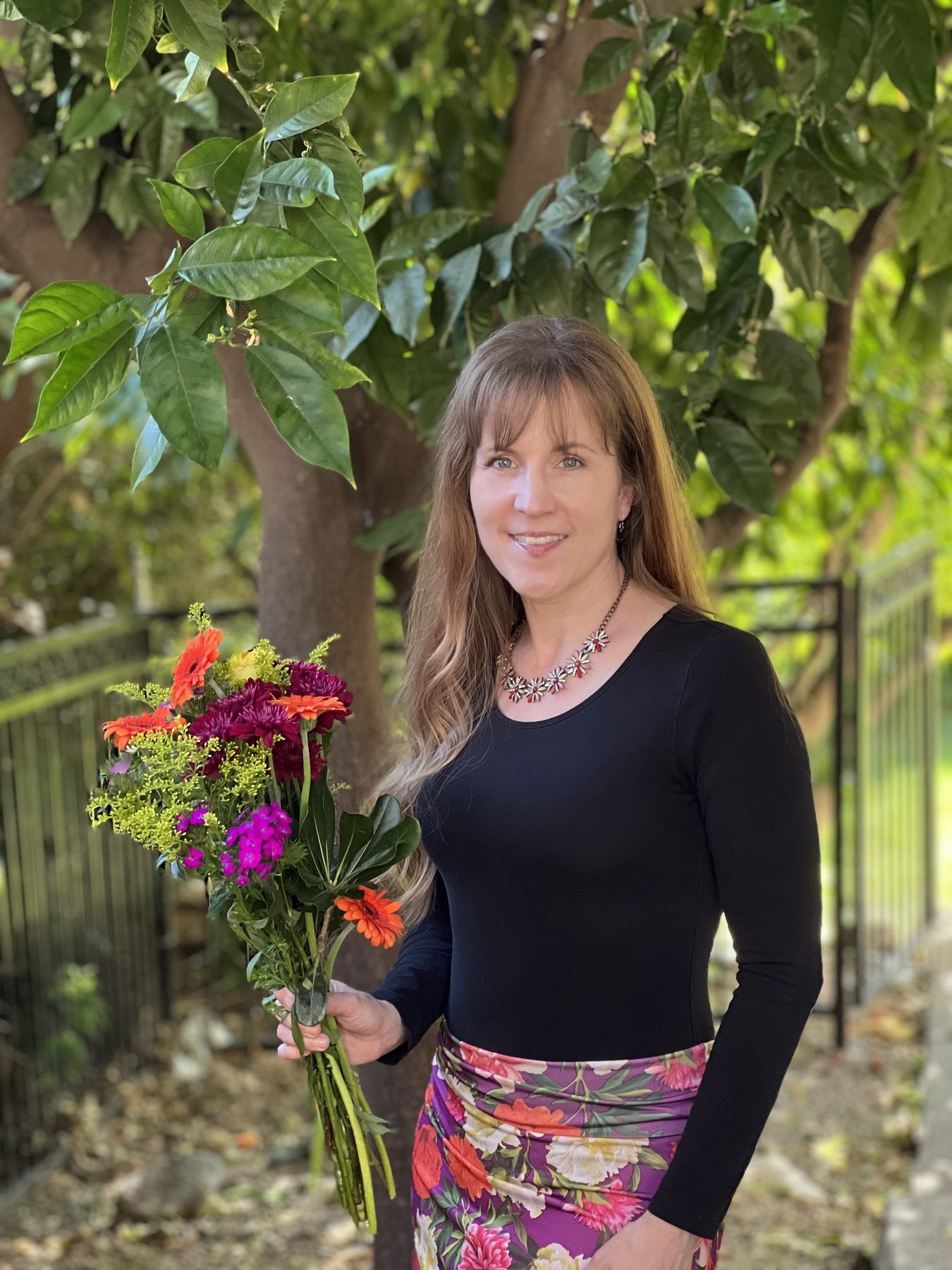
For interviews, commentary, or speaking inquiries — reach out via the Connect page.
Surgeon exploring the intersection of care, communication, and culture.
Background
Dr. Heather Logghe is a general surgeon and palliative care physician. Her work focuses on the intersection of surgical excellence, communication, and the human experience of care.
She writes and speaks about:
- The culture of surgery and physician well-being
- Communication in high-stakes clinical environments
- Perioperative pain and the patient experience
- Integrating palliative principles into surgical care
- Identity, belonging, and representation in medicine
- Equity, diversity, and the evolving surgical workforce
Her perspective is grounded in frontline clinical experience and a commitment to advancing care that is precise, humane, and aligned with what matters to patients and families.
Areas of Expertise
Available for commentary, interviews, and written contributions on:
Surgical Care & Patient Experience
- What patients and families should understand about surgery
- Postoperative pain: expectations, gaps, and opportunities for improvement
- Decision-making in serious illness
Physician Culture, Workforce & Training
- Burnout, retention, and the future of the surgical workforce
- Diversity in surgery, including the experiences of women and underrepresented groups
- How training environments shape clinician development and patient outcomes
- Psychological safety and team performance in healthcare
Sexual Harassment in Surgery & Medicine
- Prevalence: studies show more than half of women in surgical training report experiencing sexual harassment — rates that have persisted for decades
- Impact on training: harassment disrupts the learning environment, undermines mentorship relationships, and impairs the professional development of those targeted
- Attrition: harassment is a significant driver of women leaving surgical careers, contributing to workforce gaps that are difficult to reverse
- Patient safety implications: when harassment limits communication between team members, patient care is directly compromised
- Systems-level response: why individual reporting mechanisms fall short, and what structural change actually requires
Communication, Ethics & Humanism
- Navigating uncertainty and high-stakes conversations
- Aligning treatment with patient values
- Ethical complexity in modern surgical care
- Humanism as a driver of better outcomes
Health Equity & Systems
- Health disparities and their impact on surgical outcomes
- Intimate partner violence — identification, clinical response, and systems-level gaps
- Structural factors influencing access, trust, and care delivery
Health Systems & Innovation
- Workflow, cognitive load, and reducing error
- Systems that support both clinicians and patients
- Where medicine succeeds — and where it falls short
Weight Bias & Obesity in Medicine
- Co-founder of #obsm, a Twitter-based community discussion on obesity and social media in medicine
- Weight stigma in clinical settings — how bias shapes care and outcomes
- The surgeon’s role in addressing obesity without judgment
- What patients with obesity experience navigating the healthcare system
Selected Writing & Features
Bios
For use in event programs, media kits, and press materials.
Short Bio — 50–75 words
Dr. Heather Logghe is a general surgeon and palliative care physician. She focuses on the intersection of surgical care, communication, and the human experience of medicine. Her work explores perioperative pain, physician culture, and health systems, with an emphasis on improving both patient outcomes and the sustainability of the surgical workforce.
Medium Bio — 100–150 words
Dr. Heather Logghe is a general surgeon and palliative care physician. She writes and speaks on surgical care, communication, and the culture of medicine, with a focus on perioperative pain, patient experience, and physician well-being. Her work also addresses diversity in the surgical workforce, sexual harassment in medicine, and the impact of health systems on both clinicians and patients.
She is the founder of #ILookLikeASurgeon, a global movement highlighting identity and representation in surgery. Her writing has been featured in outlets including the AMA Journal of Ethics and KevinMD. She brings a clinically grounded, systems-aware perspective to conversations about how medicine works — and how it can improve.
Long Bio — about 175 words
Dr. Heather Logghe is a general surgeon and palliative care physician. Her work sits at the intersection of surgical care, communication, and the human experience of medicine. She focuses on perioperative pain, decision-making in serious illness, and how communication shapes outcomes for patients and families.
In addition to her clinical work, Dr. Logghe examines the culture of medicine, including physician burnout, workforce sustainability, and the environments in which surgeons are trained. Her work also addresses diversity in surgery, the experiences of women and underrepresented groups in medicine, sexual harassment in healthcare, and health disparities that influence surgical outcomes.
She is the founder of #ILookLikeASurgeon, a global movement that has helped reshape conversations around identity and representation in medicine. Her writing has appeared in the AMA Journal of Ethics, KevinMD, and other platforms focused on advancing culture change in healthcare.
Dr. Logghe brings a clear, thoughtful, and clinically grounded voice to complex topics — offering insight into both how care is delivered and how it can evolve to better serve patients and the clinicians who care for them.
Press inquiries
For interviews, commentary, or speaking inquiries, please reach out via the Connect page.